|
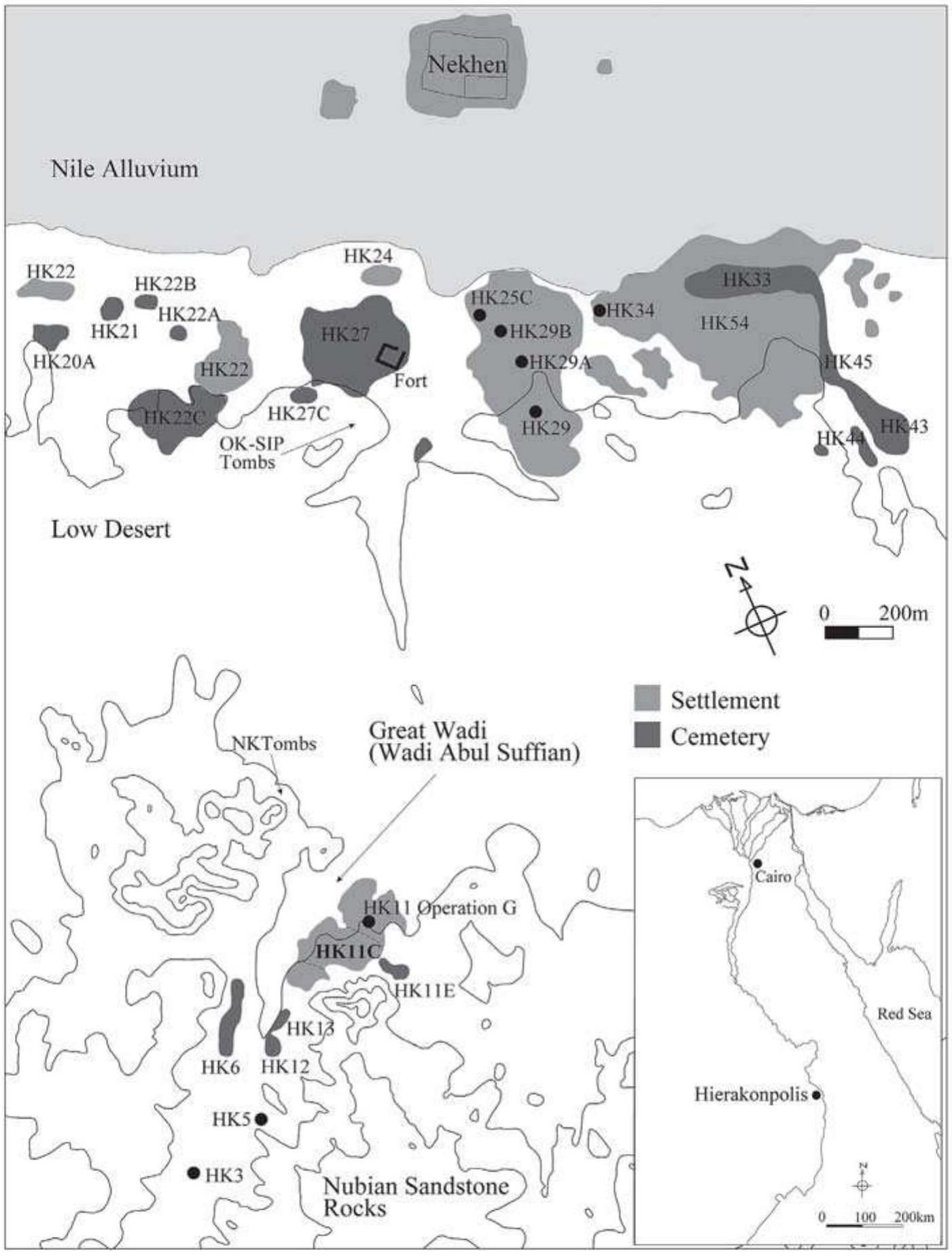
| Map of Hierakonpolis |
In use for over 500 year (Naqada IIA - Dynasty 1), the center of HK29A (Ceremonial Center) at Hierakonpolis underwent several renovations, and the structure was composed in part of a walled, oval courtyard 45m long and 13m wide, on the south side of which was a monumental gateway framed by four enormous wooden pillars of acacia wood and the eight smaller ones (arranged in 2 rows).
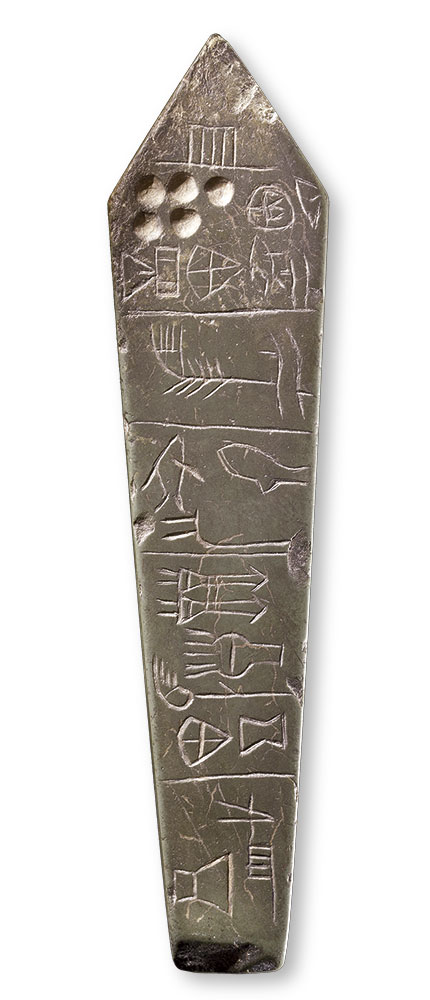 |
| Stone chisel, ca. 3000-2750 BC |
Elam was written with the proto-cuneiform NIM~a 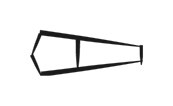 "(to be) high; (to be) early" "(to be) high; (to be) early" |
 |
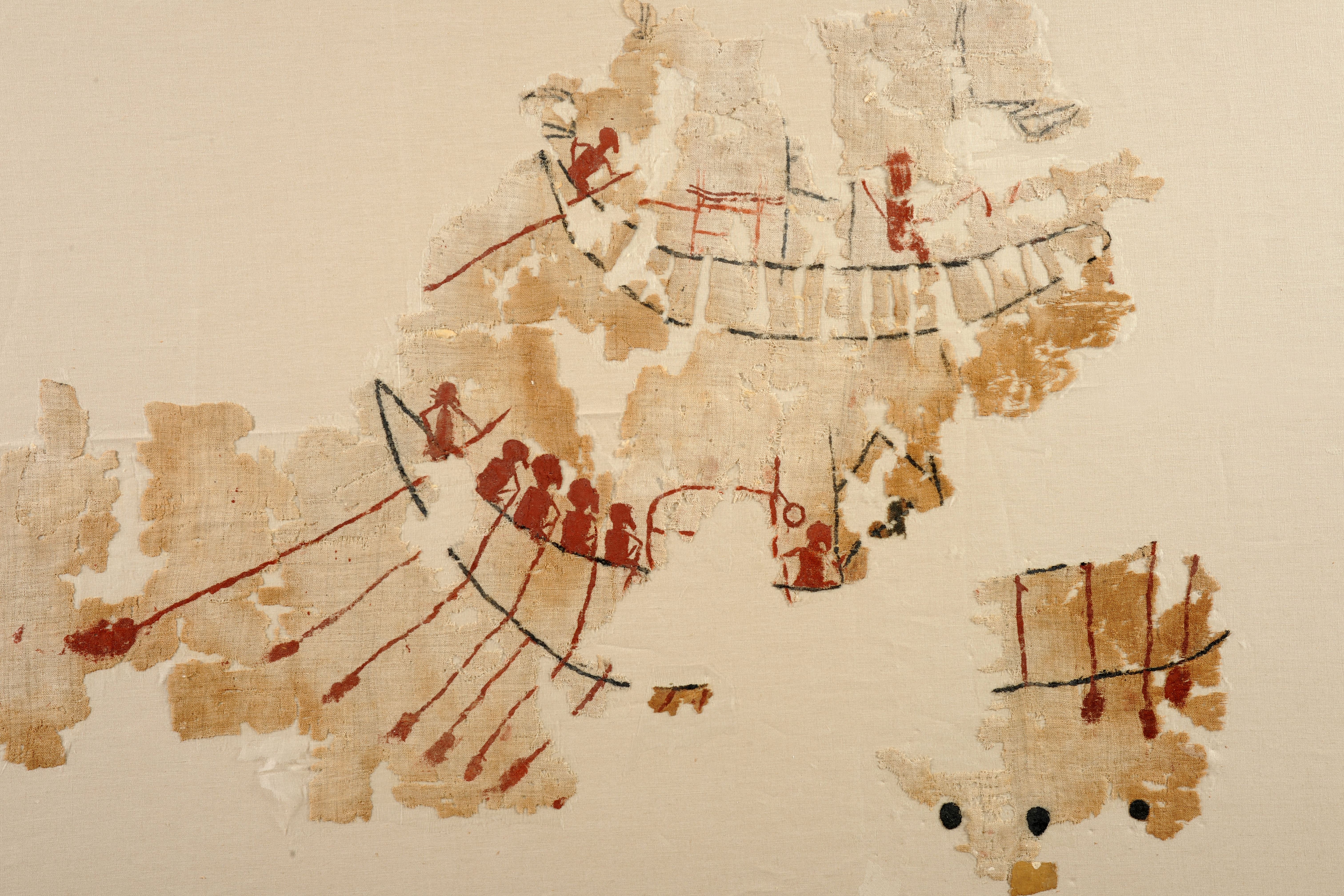 |
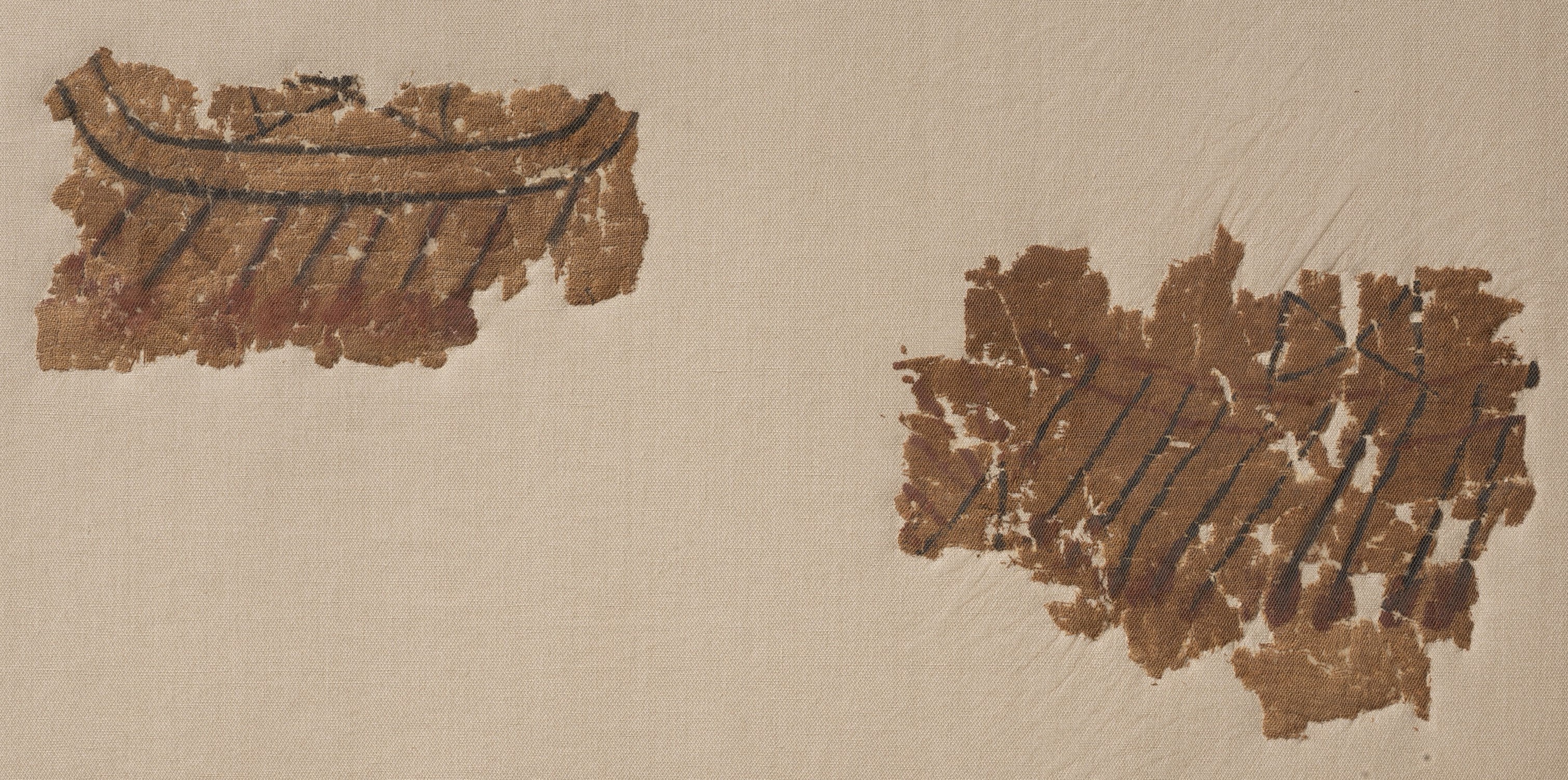
| Gebelein painted linen, Gebelein, ca. 3600 BC |
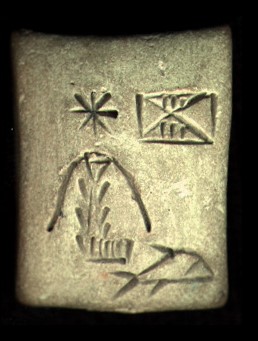 |
| AN |SZU2.EN~a| (cover.lord) DARA4~a1 (red) KU6~a (fish) |
Tag (P002208), Uruk, ca. 3350-3200 BC |
Sumerian: EN = the lord from Gebelein
According to the Sumerian king list, En-me-barage-si, "who carried away as spoil the weapons of the land of Elam."
Su2 (found in Susa) and, as is probable from its spacing, P3 (found in Nippur) omit "became king."
Burnt material of dozens of bifacial knives, arrowheads, mace heads, and "flint rings," dating to Naqada I-IIA, were recovered in four distinct circular clusters organized by type, suggesting a foundation deposit for a columned hall at HK25 in Hierakonpolis.
The body of the owner of Tomb 72 in the elite cemetery (HK6) at Hierakonpolis was highly disturbed. Bones of a young person, 17-20 years of age, were found scattered in the upper fill and surrounding areas. The almost complete removal of the human bones from the floor of the tomb, while many objects were left in place, suggests that the grave had been violated soon after the owner's death. This seems to have been an act of aggression against the tomb owner, rather than merely robbery. The majority of the objects date the tomb to the Naqada IIA-B period, roughly 3700-3600 BC.
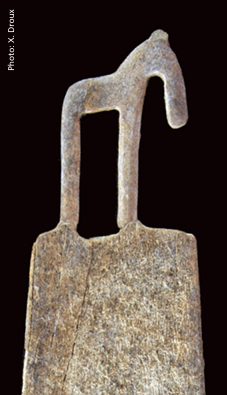 |
| "Donkey" (but broken off ears) comb from HK6 Tomb 72 |
Four potentially domestic donkeys were buried in the elite cemetery (HK6) at Hierakonpolis (one from around Tomb 14 and three babies in Tomb 111 dated to the Naqada III usage of the site).
 |
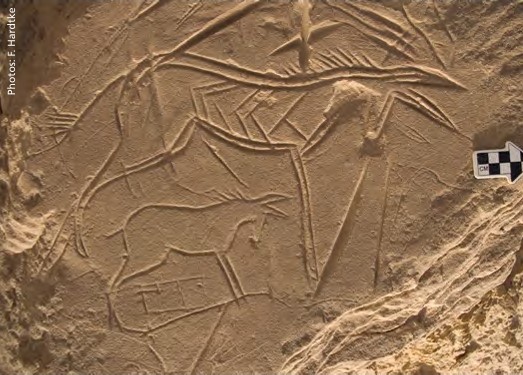 |
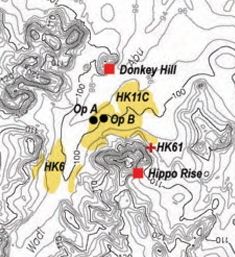
| Petroglyph of donkeys at "Donkey Hill" |
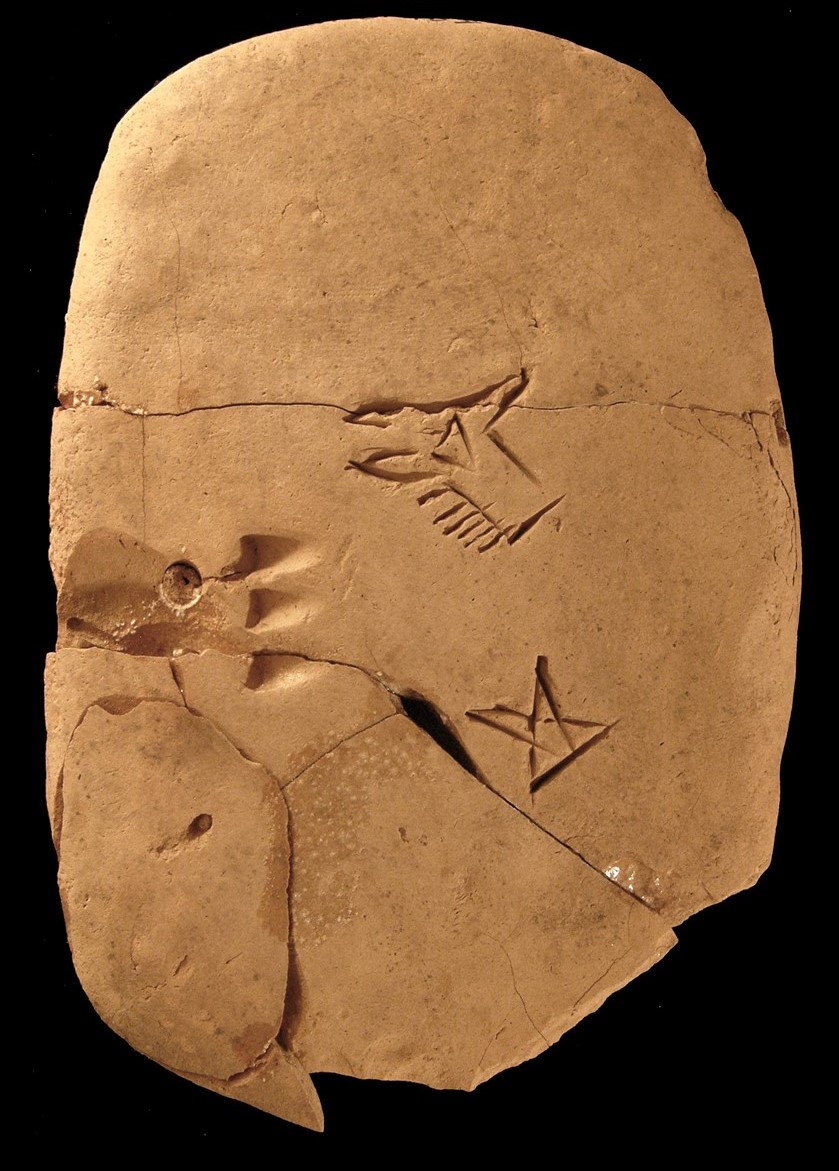 |
| UB KISZ (Kiš) |
Tablet (P325349), Uruk III period (ca. 3200-3000 BC) |
According to the Sumerian king list, Kiš was smitten with weapons; its kingship to E-ana was carried.
Sumerian: An (𒀭) = Hierakonpolis, Sumerian: Kiš = the elite
At HK29A, a monumental gateway framed by four enormous acacia wood pillars was found on the south side of a walled, oval courtyard.
Gate = Sumerian: kan4 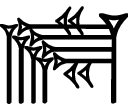 (Akkadian: bābu)
E-ana = Sumerian: É-AN.NA 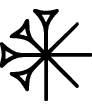
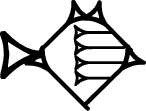
According to the Sumerian king list, Kiš was smitten with weapons; its kingship to E-ana was carried.
E-ana = HK29A (Ceremonial Center) at Hierakonpolis
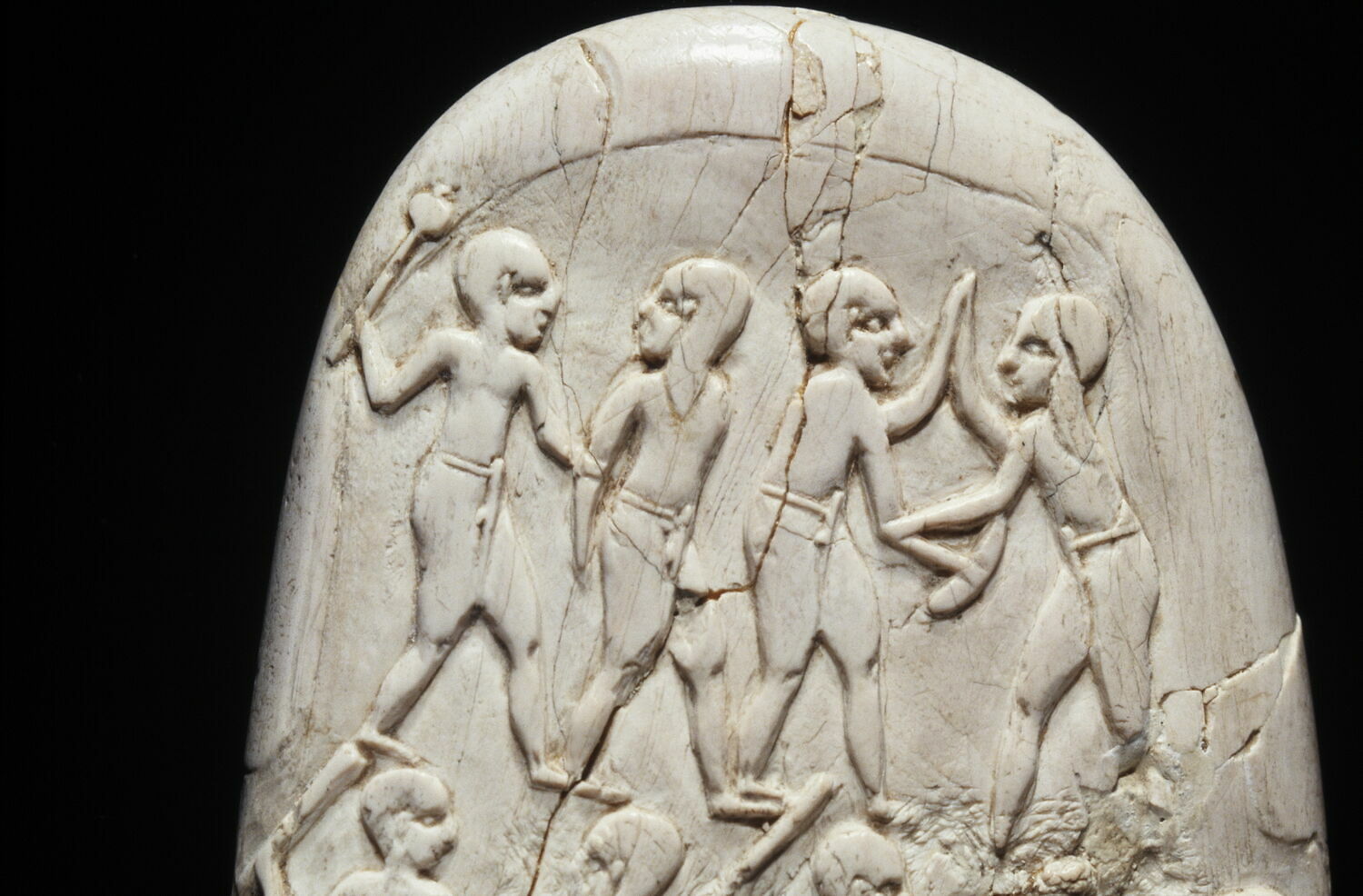 |
| Gebel el-Arak Knife (front), Gebel el-Arak (?), ca. 3600-3300 BC |
According to the Sumerian king list, dDumu-zi "šu-peš" was taken captive by the single hand of En-me-barage-si.
References:
https://isac.uchicago.edu/sites/default/files/uploads/shared/docs/as11.pdfApril 29, 2024 Takahiko Nakagawa